


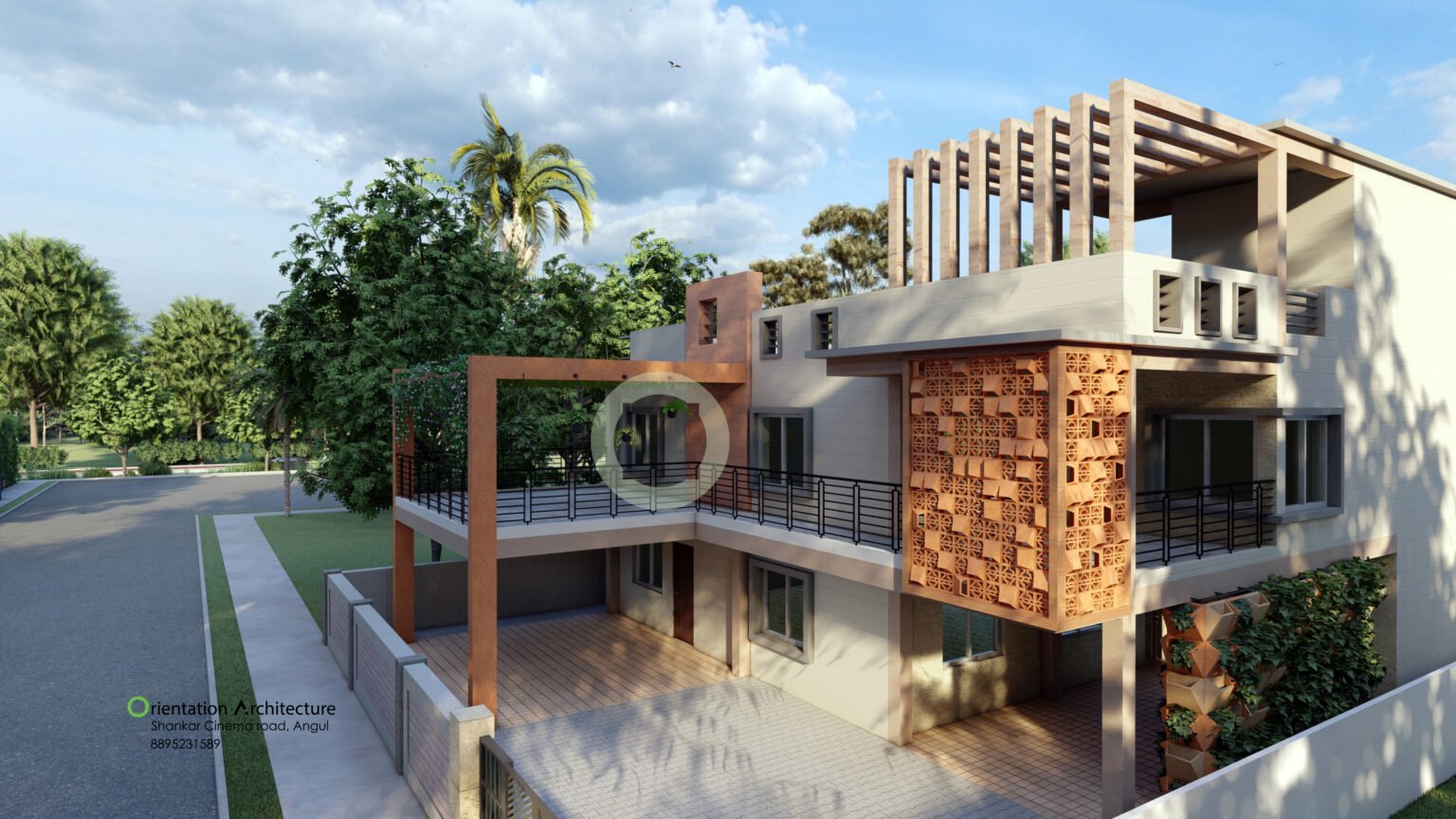
Urban spaces and the built environment influence daily life in ways that are easy to overlook. Architecture can shape how people move, meet, work and feel within a place.
When buildings are planned thoughtfully, they can support accessibility, comfort, safety and a stronger connection between people and their surroundings.
Architectural design also contributes to identity. Streets, public buildings, homes and community spaces can reflect the character of a place while responding to climate, culture and changing needs.
Sustainable planning is another important part of the discussion. Energy-conscious materials, passive strategies, natural light and efficient layouts can reduce environmental impact while improving the user experience.
Good architecture therefore extends beyond appearance. It connects physical form with social use, environmental responsibility and long-term adaptability.
In the end, the impact of architecture can be seen in everyday experiences. The quality of the spaces around us influences how communities function and how people interact with their environment.
LEAVE A COMMENT
Your email is safe with us.